
HealthTech is scaling fast – from AI-powered diagnostics and digital therapeutics to biotech software platforms and clinical data ecosystems. But behind every product that reaches patients is something less visible: the workforce infrastructure that makes compliant innovation possible.
As companies enter regulated markets earlier and scale validated digital systems, demand for regulatory-aware technical talent is rising. Industry reports continue to highlight the expansion of digital health solutions and the growing maturity of the space.
For example, the IQVIA Institute’s Digital Health Trends 2024 report tracks the maturation of digital diagnostics and therapeutics, while the WHO global strategy on digital health emphasizes the need to align technology with organizational and human resources.
HealthTech growth is reshaping workforce models
HealthTech does not scale like traditional SaaS.
Innovation happens inside regulated clinical and life sciences environments, where platforms must meet quality, validation, and data integrity expectations. That reality changes team design. Organizations increasingly build interdisciplinary groups that combine engineering, QA/validation, and regulatory expertise – because compliance execution is now part of the product lifecycle.
The Rise of Venture-Backed HealthTech Startups
Alongside global pharmaceutical and medical technology enterprises, a new wave of venture-backed startups is entering regulated healthcare markets.
AI-native biotech firms, digital health platforms, and clinical data companies are launching products directly into FDA-regulated and GxP-governed environments.
Unlike traditional startups, they must build compliance capabilities early.
This creates immediate demand for:
Computer System Validation (CSV) engineers
Regulatory software specialists
Quality and audit professionals
Data compliance experts
Startups and enterprises are now competing for the same limited talent pools – accelerating hiring pressure across the sector and highlighting the importance of effective life science staffing solutions.
Talent acquisition becomes part of the regulatory roadmap
In HealthTech, recruiting is increasingly tied to regulatory readiness. Workforce planning often aligns with validation milestones, audits/inspections, and submission timelines.
When validation and compliance roles are understaffed, teams can experience delays in documentation, testing evidence, and inspection preparedness – impacting time-to-market.
AI is transforming validation itself
AI is not only changing healthcare products; it is also reshaping how those products are validated.
Risk-based approaches, automated testing, and continuous monitoring are becoming more common – especially for fast-scaling teams that need audit-ready traceability without endlessly scaling headcount. Regulators have also published frameworks and action plans focused on AI/ML-based Software as a Medical Device (SaMD), pushing the industry toward clearer expectations and lifecycle oversight.
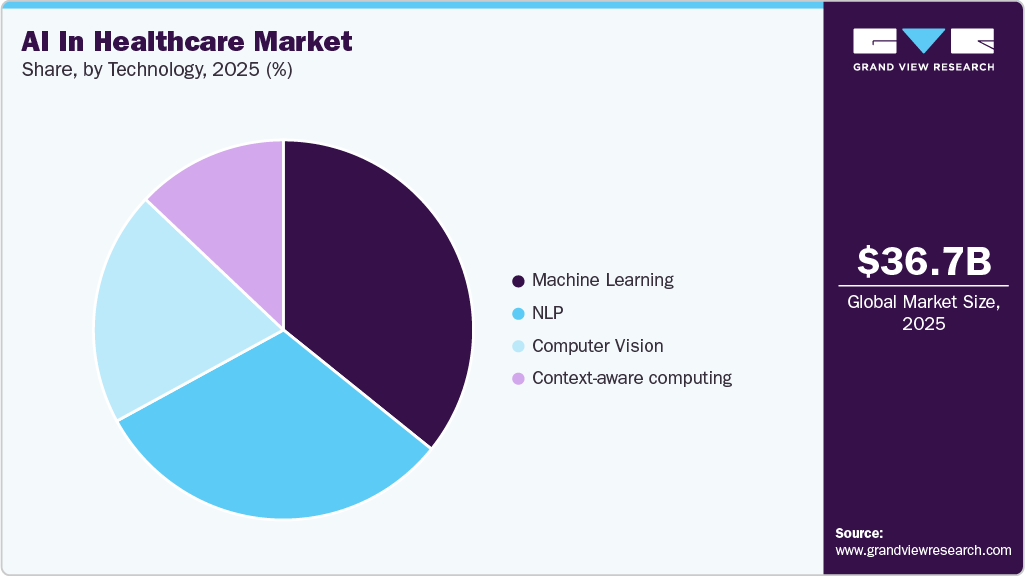
The growing adoption of AI technologies across healthcare – including machine learning, NLP, and computer vision – is accelerating not only product innovation but also the need for scalable validation frameworks.
Demand for validation and compliance talent is outpacing supply
One of the biggest constraints in HealthTech is the shortage of GxP/CSV-ready professionals. Training cycles are long, institutional knowledge matters, and experienced talent is limited.
Enterprises tend to compete with stability and established programs, while startups attract candidates through equity, innovation exposure, and platform-building opportunities.
New workforce structuring models
To close capability gaps, organizations are adopting more flexible models:
Blended FTE + consulting validation teams
Fractional compliance leadership for early-stage firms
Global delivery models for validation and quality execution
These approaches help companies scale compliance capacity while staying audit-ready.
Conclusion
HealthTech innovation is often described through algorithms, platforms, and breakthrough products. Yet none of it scales without the people who validate, regulate, and operationalize it.
As AI adoption accelerates and regulated digital systems expand, the intersection of technology, compliance, and talent strategy will define which organizations move fastest – and which fall behind.
Learn more about AI adoption and market dynamics: Grand View Research’s AI in Healthcare market report
Regulatory perspectives on software assurance and validation: FDA Computer Software Assurance (CSA) guidance and FDA Part 11 guidance
Workforce and skills trends: OECD report on digital and AI skills in health occupations